Exploring Ancient Cities
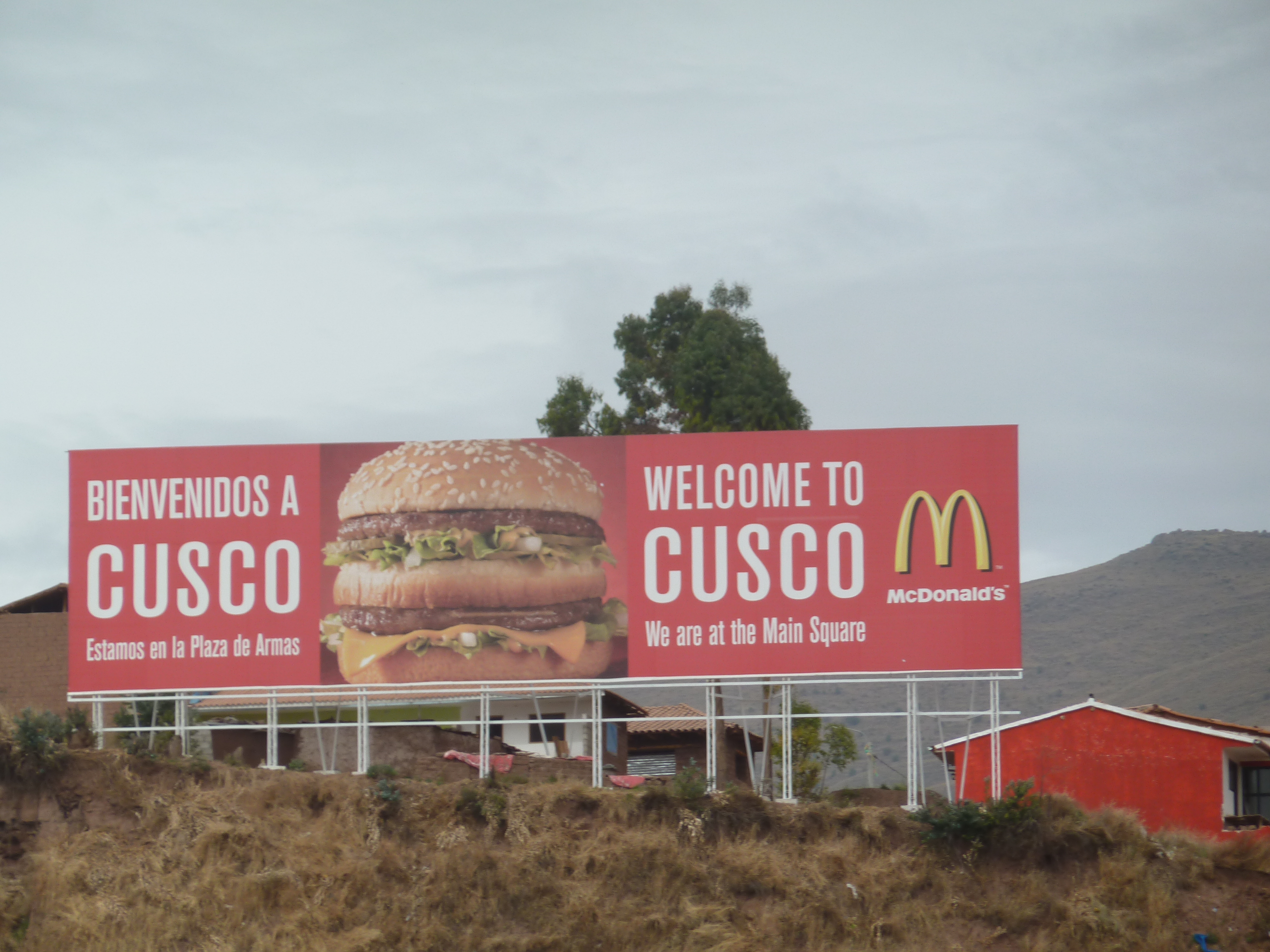
Western influence in Cusco
Landing in Peru it can be hard to imagine the massive historical ruins that the country holds. The western influence is very visible in the large cities of Peru – a McDonalds is never far away, although the menu is alittle different. When we first arrived into Peru we flew into Lima and stayed at a hostel in the Miraflores district of the City, about a ten minute walk to the beach. Spending only one day in Lima before flying out to Cusco didn’t allow for much time to explore the city. We did manage to visit the beach, Kennedy Parque (which is home to over 100 cats), and the local artesian market.
The Historical Capital of Peru

The Colonial influence can be seen throughout Cusco
I had not been too impressed with what Lima had to offer for the sightseeing side of things, but shortly after arriving in Cusco it was not hard to see why it is designated the historical capital of Peru. Secluded high up in the Andes (about 3,400 m) flying into the city can be quite the ride for those who are unsure of air travel requiring pilots to drop down quickly over the mountains and bank hard to make the runway. Keep a look out your window as you descend into Cusco to catch glimpses of the numerous Inca ruin sites on the outskirts.
Throughout the city the ancient Inca influence is still visible. Narrow cobblestone streets barely big enough for a car to pass through make up the majority of the roads within Cusco. Ancient Incan stone architecture mixed with colonial influences makes up much of the buildings throughout the city, and locals of the area can be seen in traditional dress; wearing brightly colored scarves, dresses, and hats.
Shopping
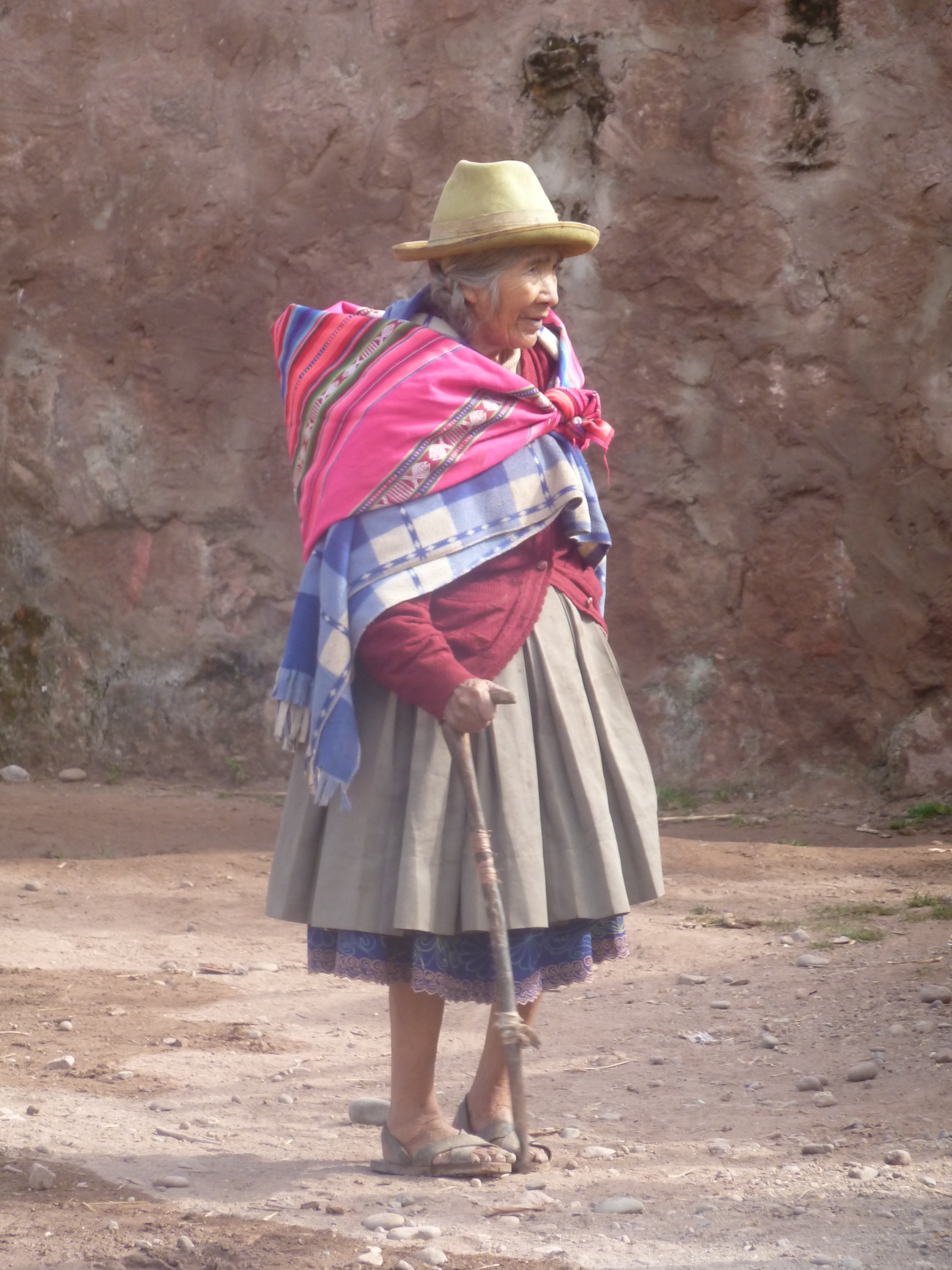
Typical Peruvian Andean clothing
Many of the locals in Cusco are influenced by the massive tourism industry – with street side stores and vendors selling “authentic” or “hand crafted” Peruvian wears. My favorite is when one vendor tells you he handmade something, and when you go to the next vendor they have the exact same item! Make sure to shop around, and always barter on the price. Silver jewelry is a big market, and so is the fake silver. My rule of thumb has been that if they take out a scale and weigh what you are buying it is probably silver… Although I have not confirmed if what I buy is actually silver once I got home, but my ears have not turned green yet.
Cusco Nightlife
The energy of Cusco is immense, throughout the day it is not hard to meet other tourists sightseeing and at night its very easy to find a party. One night me and a few other people from the tour group went out to a club called Mythology. I don’t remember buying a drink all night, but somehow ended up quite a bit drunk. Quite possibly due to the shots straight out of the bottle given when you would dance on stage… I found Cusco to be a fairly safe city, I just wouldn’t go wandering off on your own or accept drugs from random people on the streets. Common sense.
The Sacred Valley
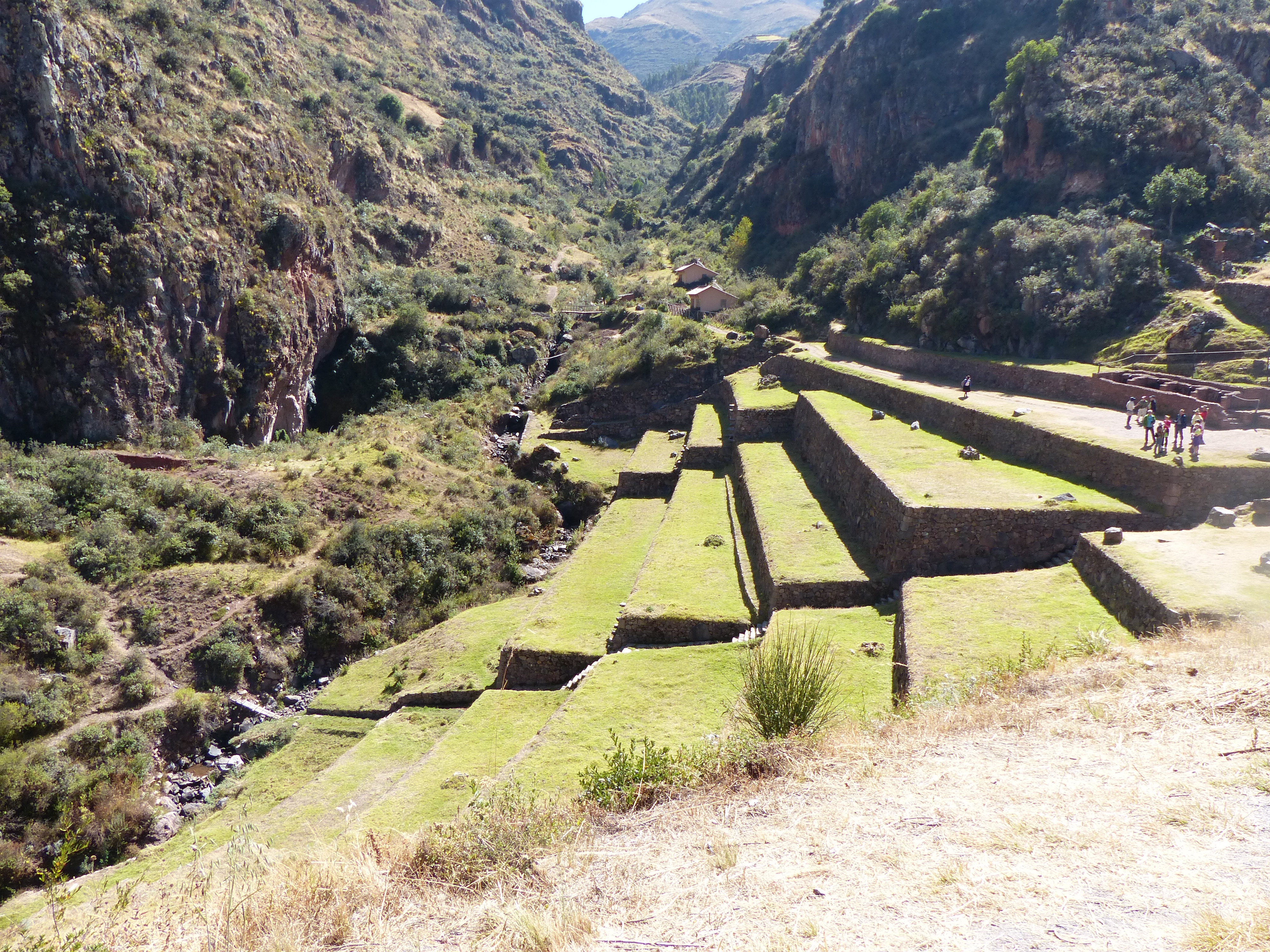
Terraced Agriculture
The Sacred Valley is about an hours drive outside of Cusco, and contains some amazing Inca ruins. Most tours will stop at some places in the sacred valley as it’s on the way to the train station at Ollantaytambo to go to Machu Picchu. The elevation is slightly lower in the Sacred Valley than Cusco, so it can be a nice break from the low oxygen and very cold nights.
Pisac

Peruvian tapestries for sale
The first town we visited in the Sacred Valley was the town of Pisac. These ruins are built near the top of a mountain overlooking the valley. All down the side of the mountain are the agricultural terraces that the Inca culture used, creating microclimates for the different varieties of crops they grew. Within the town is one of the bigger markets in the Sacred Valley, selling anything from tapestries to gemstones from nearby mines.
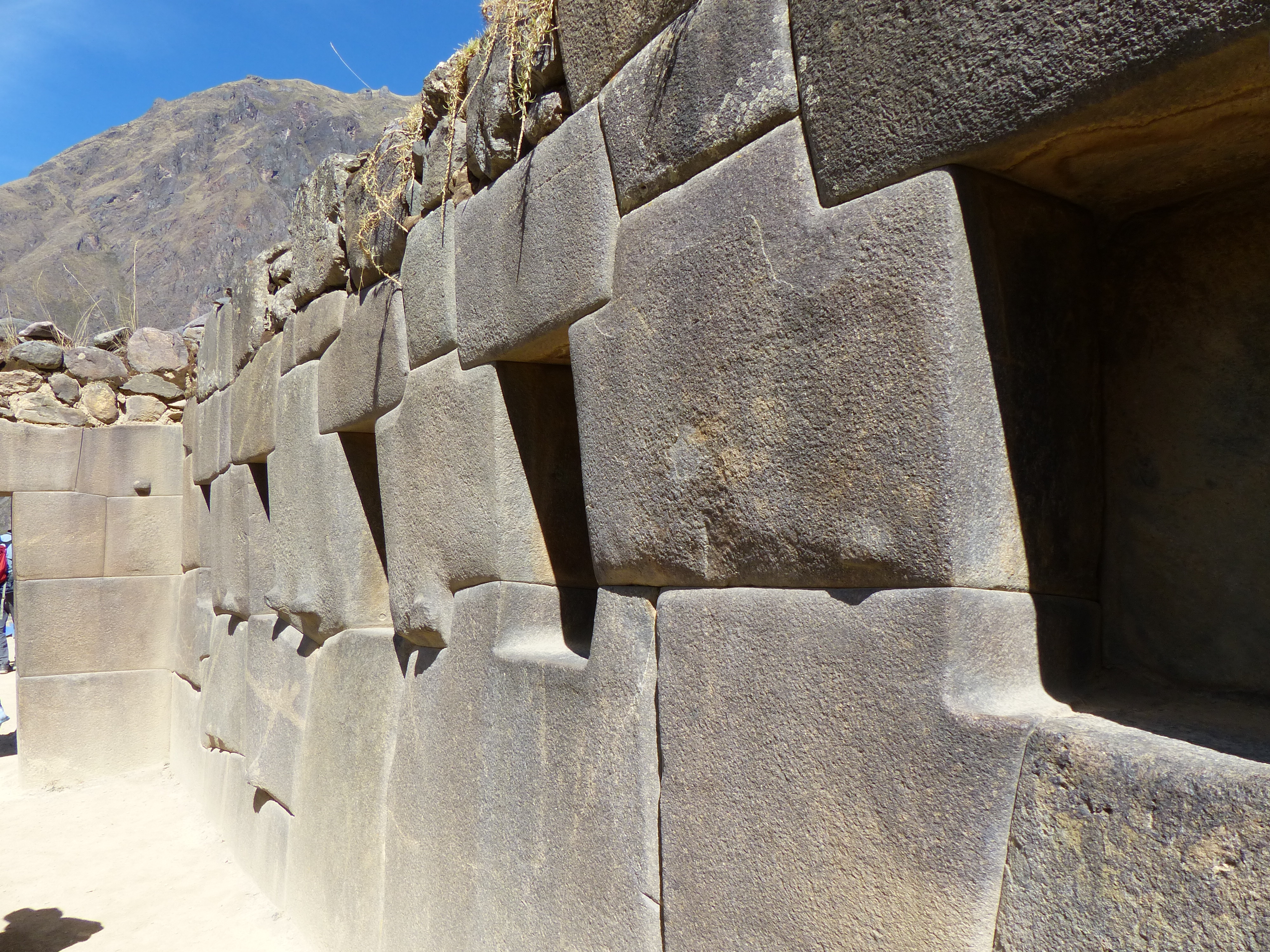
Inca Architecture found in the ruins surrounding Cusco
Ollantaytambo
Next on our stop before heading on a three day hike through the Andes and on to Machu Picchu were the ruins of Ollantaytambo.
 Spirit Healing Adventures